The Indigenous Grapes of Cyprus
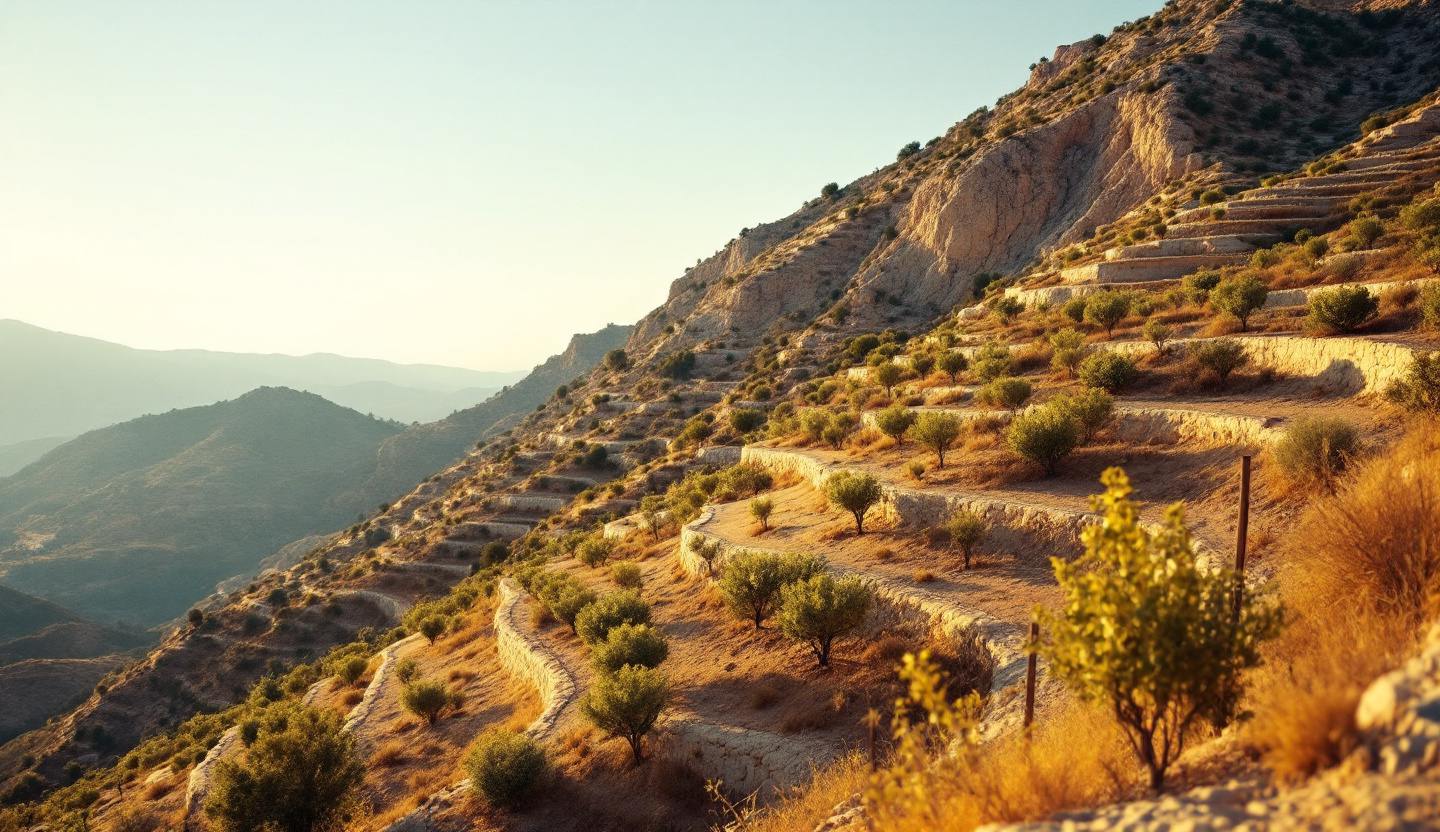
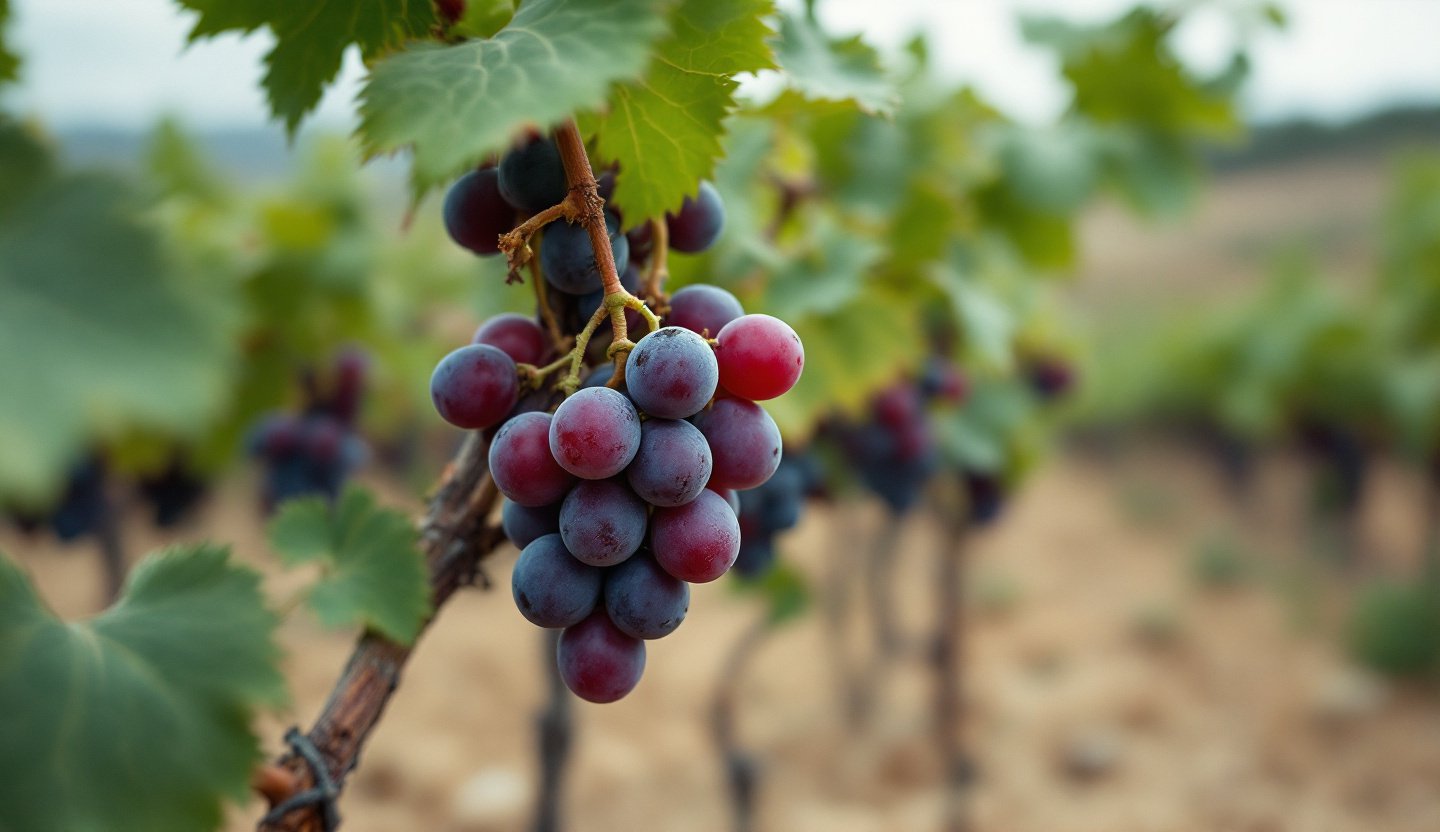
Cyprus has something few wine regions can claim: it was never reached by phylloxera, the root louse that destroyed Europe's vineyards in the nineteenth century. Vines here grow on their own roots, and a set of local varieties survived that exist almost nowhere else.
Xynisteri
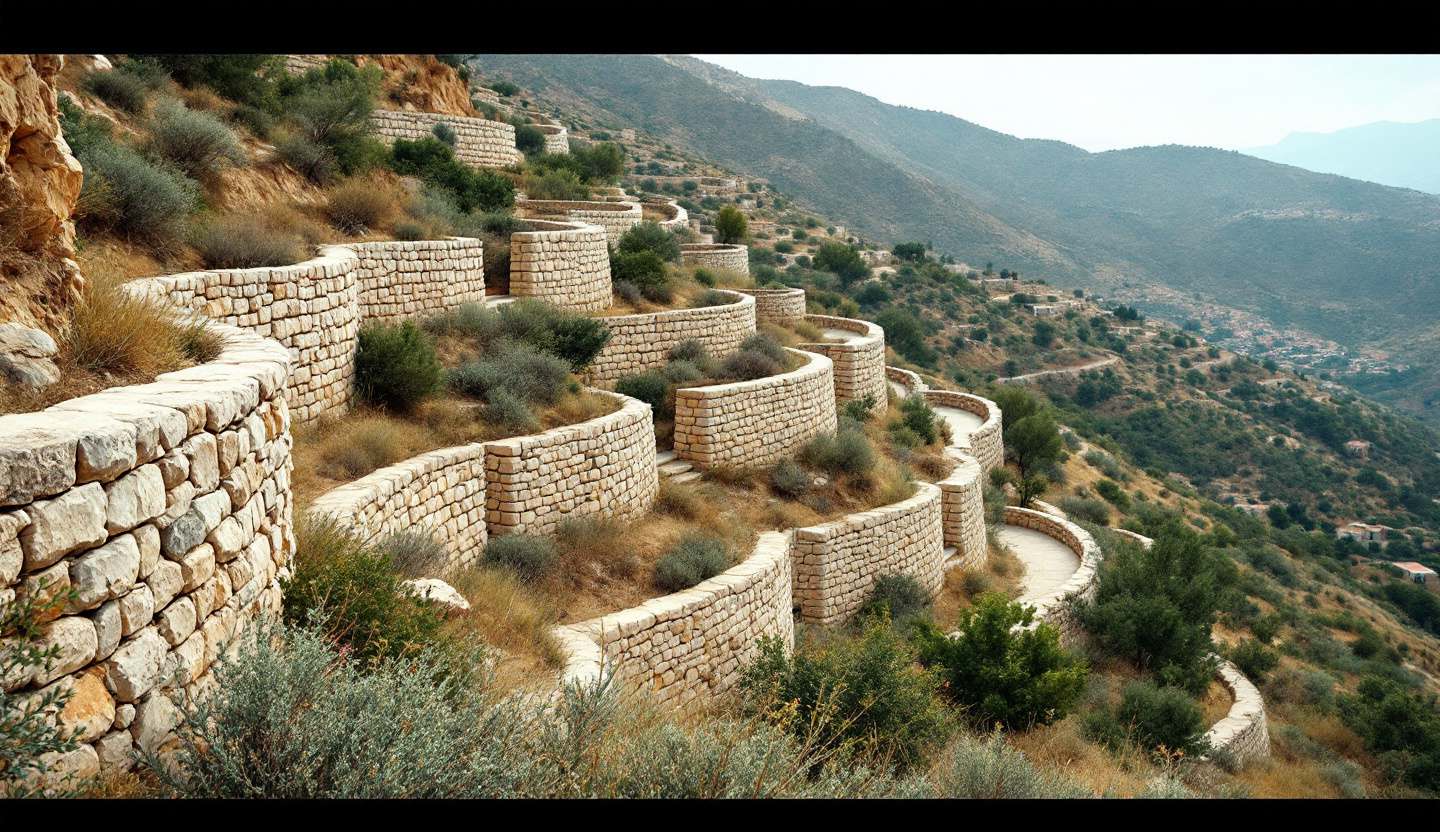
The island's principal white variety and the one you will encounter most. At low altitude it can be neutral, but grown high in the Troodos it produces dry whites with citrus, green apple and a distinctly stony finish.
It is also one of the two grapes permitted in Commandaria. The best modern examples show what the variety can do when yields are controlled and the fruit comes from elevation.
Mavro
Historically the most widely planted grape on the island — the name simply means 'black'. It is productive and hardy, which is why it covered so much ground, and it forms the red half of the Commandaria blend.
As a dry red it is light in colour and tannin, and it has been progressively replaced in quality vineyards. Old-vine Mavro from high sites, though, is being taken more seriously than it was twenty years ago.
Maratheftiko
The variety that most excites Cypriot winemakers, and the most difficult to grow. Maratheftiko does not reliably self-pollinate, so it must be interplanted with another variety to set fruit properly — which is why it was historically grown mixed through vineyards rather than in blocks.
Handled well it gives deeply coloured reds with real tannic structure and dark-fruit and spice character. It is the grape most often put forward as Cyprus's answer to the international varieties.
The rarities
Promara, Spourtiko, Morokanella and Yiannoudi were all close to disappearing and are now being propagated again by producers and by the state viticulture programme. Volumes are tiny.
If you see one on a tasting list, try it. These are the wines that will tell you what Cyprus tastes like when it is not imitating anywhere else.
Wineries mentioned
Contact details and locations for each are on their page.