The Krasochoria: Limassol's Wine Villages
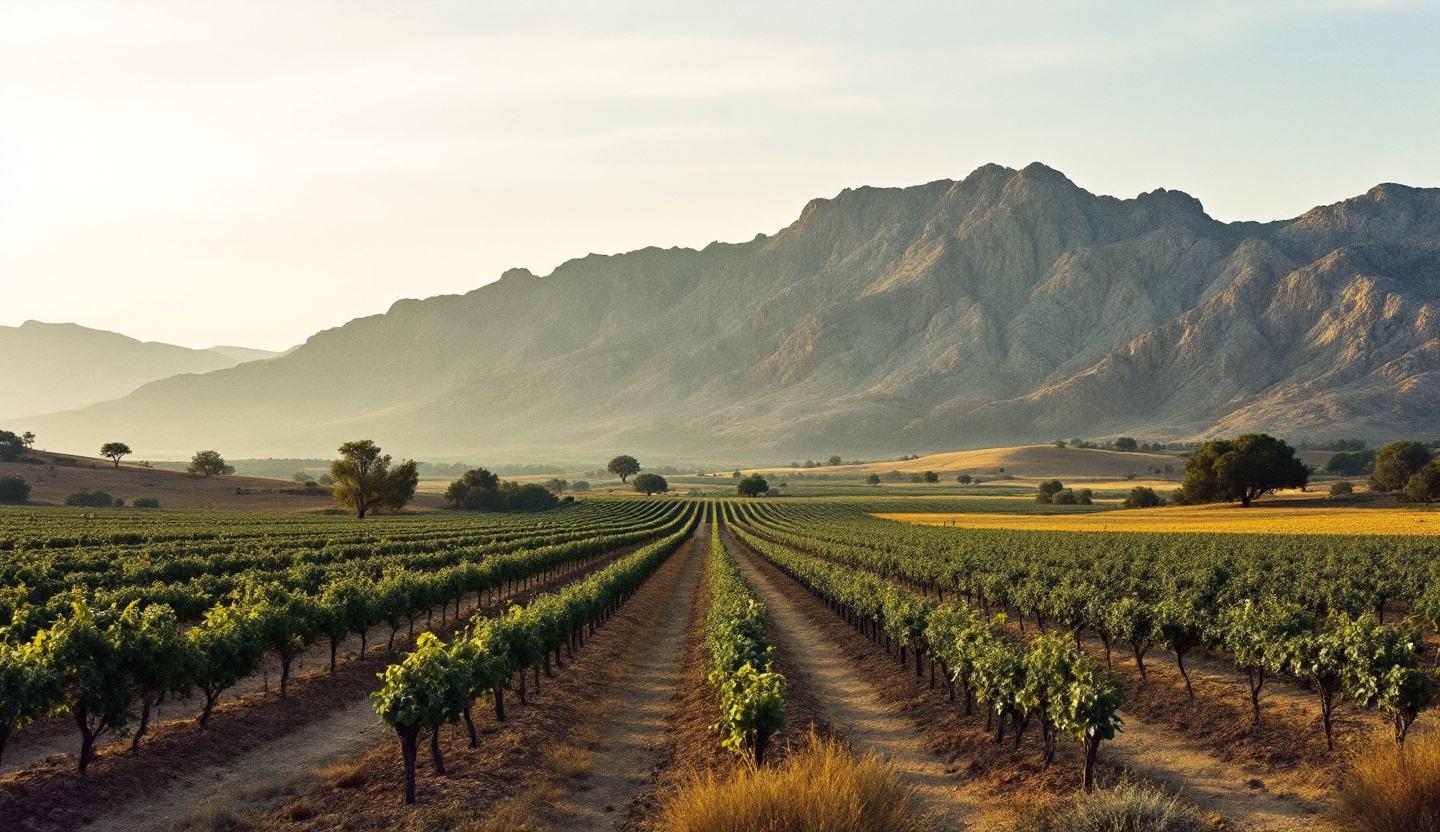
Krasochoria means, literally, 'wine villages' — around twenty settlements on the southern slopes of the Troodos above Limassol. It is the densest concentration of wineries in Cyprus, and the part of the island where vine-growing has been continuous for longest.
Why the vines are here
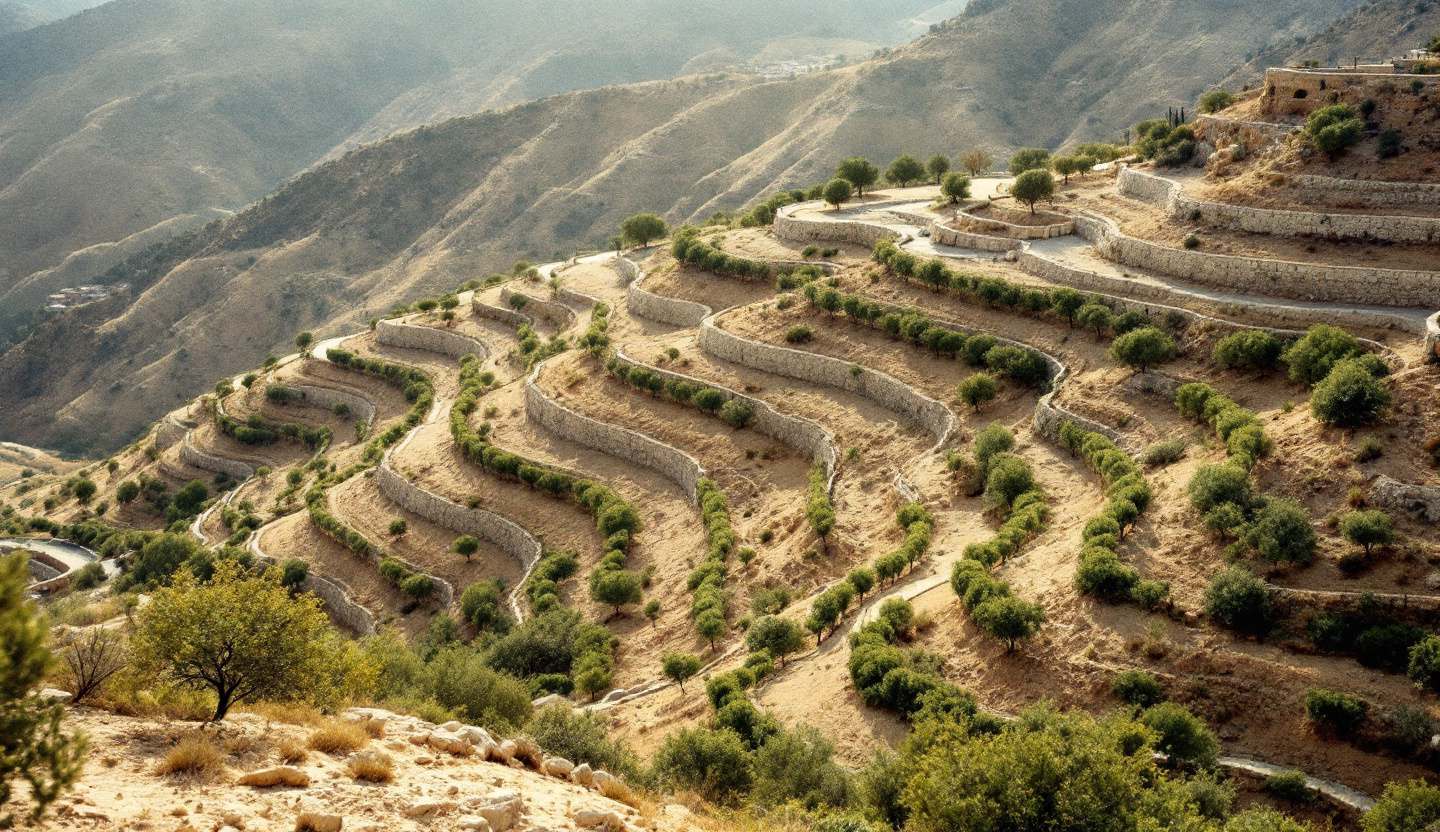
The Krasochoria sit between roughly 600 and 1,000 metres. That altitude is the whole story: it buys cool nights through a hot Mediterranean summer, which slows ripening and preserves the acidity that wines at sea level in Cyprus struggle to keep.
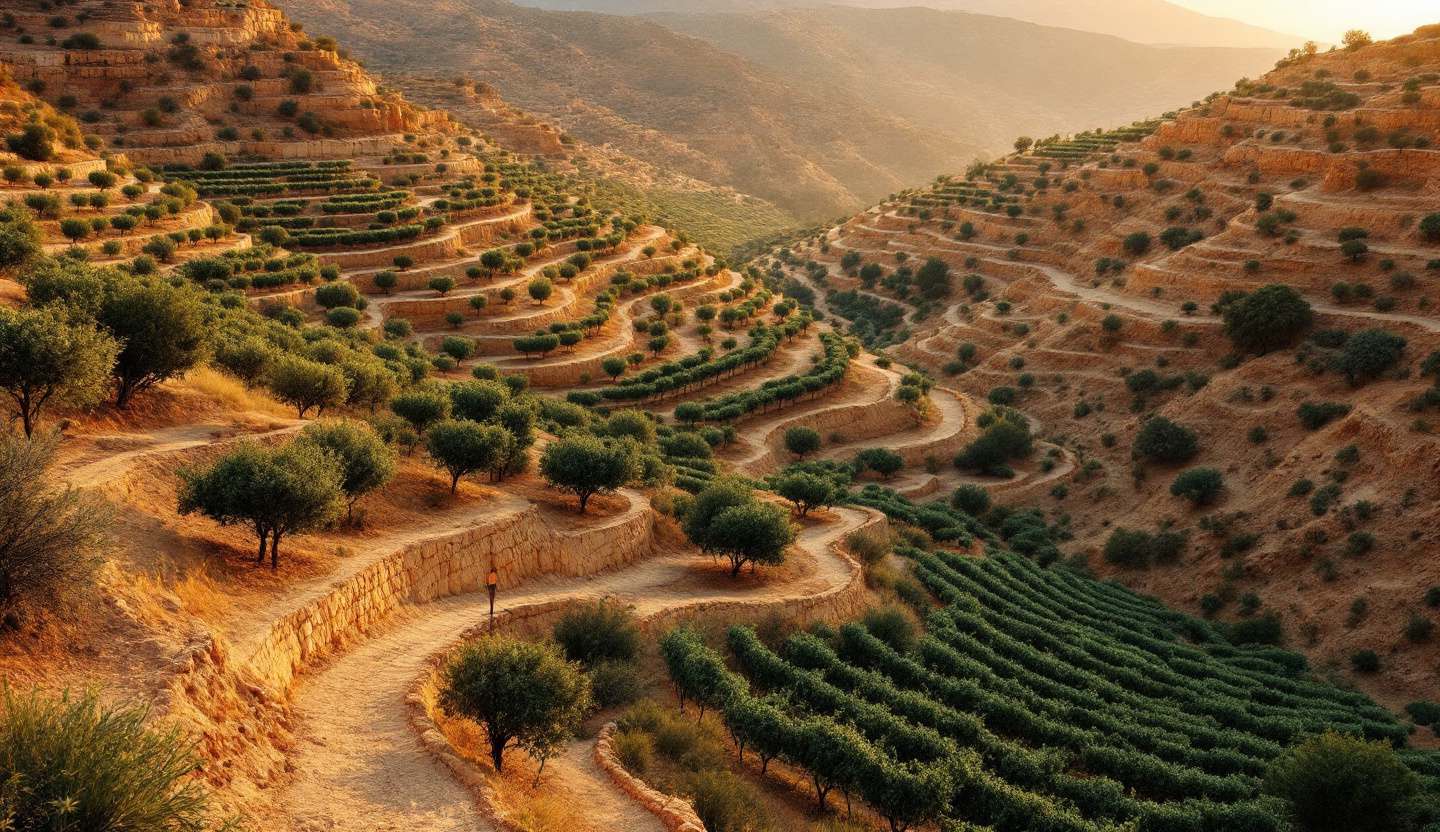
The soils are largely limestone and chalk over volcanic rock, and the terrain is steep enough that many parcels are still worked by hand. Plots tend to be small and scattered — a legacy of inheritance patterns that split holdings across generations.
The villages worth knowing
Omodos is the best known and the easiest introduction, with a cobbled square, a monastery, and several wineries within walking distance of each other. Koilani and Vasa Koilaniou sit close by and are quieter, with a similar density of small producers.
Further west, Arsos and Pachna are higher and more agricultural in feel. Anogyra, closer to the coast, is known as much for carob as for wine. Each village has its own character, and the distances between them are short — often ten or fifteen minutes by car.
What you'll taste
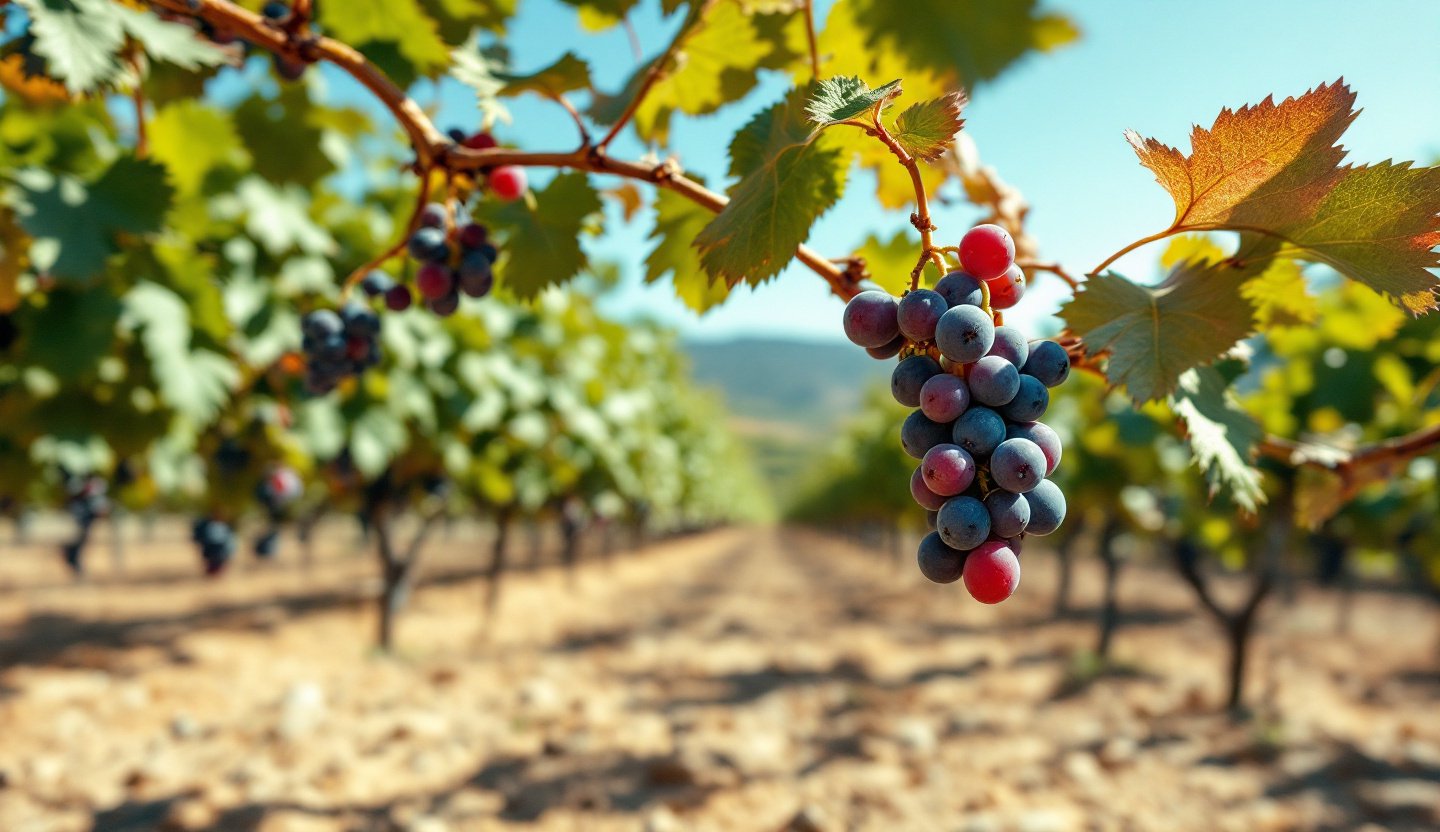
Xynisteri dominates the whites: dry, citrus-and-stone-fruit, and increasingly made with real ambition rather than as a simple table wine. Among reds, Mavro is the historic workhorse, while Maratheftiko is the variety most producers now stake their reputation on.
You will also find Cabernet Sauvignon, Syrah and Merlot, planted widely in the late twentieth century. The most interesting bottles today tend to be those where growers have gone back to indigenous varieties and old vines.
Planning a visit
Most Krasochoria wineries are small family operations rather than staffed visitor centres, so arranging your visit in advance matters more here than in a large commercial wine region. Contact details for each are on their page.
The roads are narrow and winding. Give yourself more time between villages than the map suggests, and agree a designated driver before you set out.
Wineries mentioned
Contact details and locations for each are on their page.