The Monastery Wineries of Cyprus
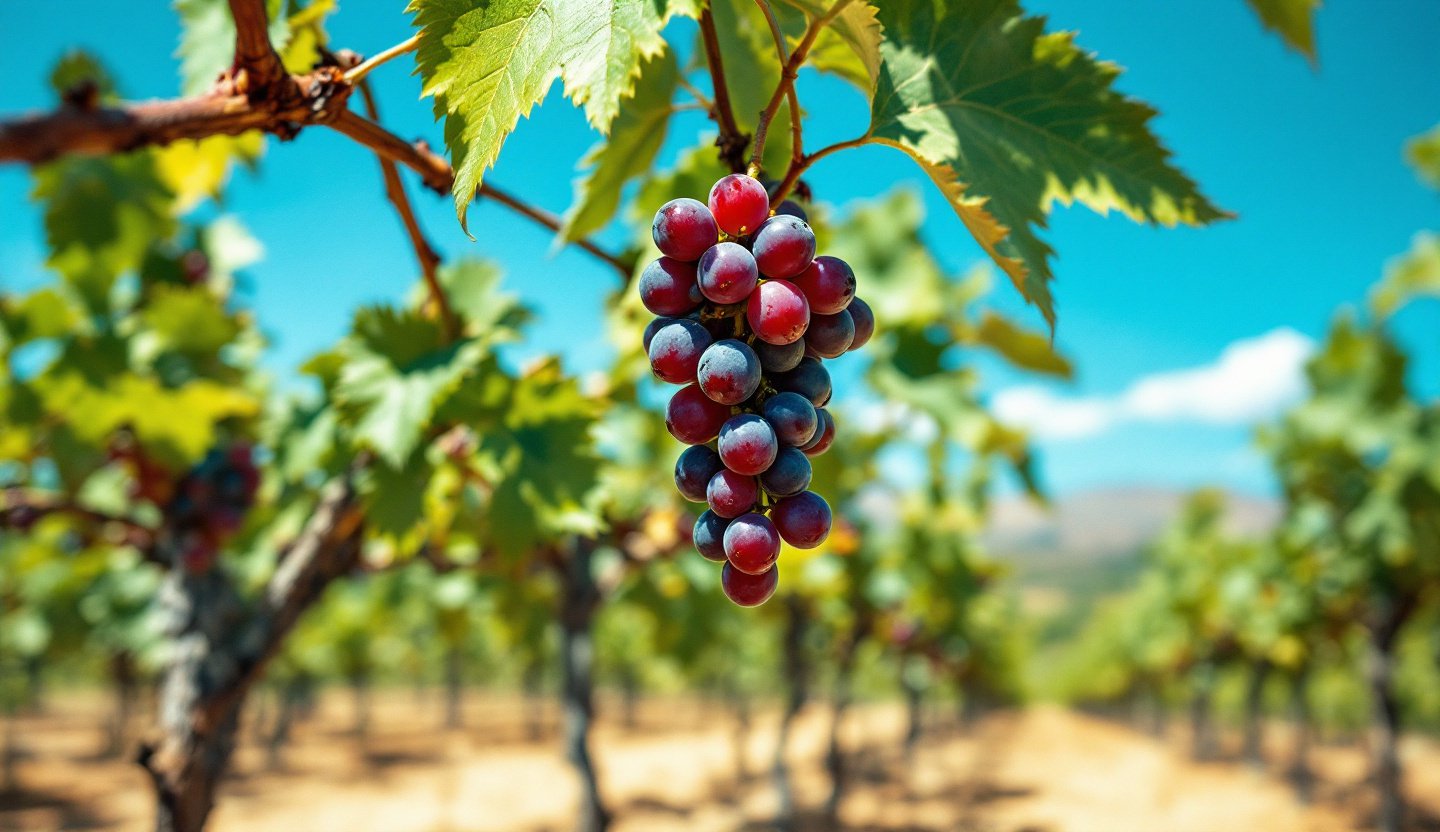
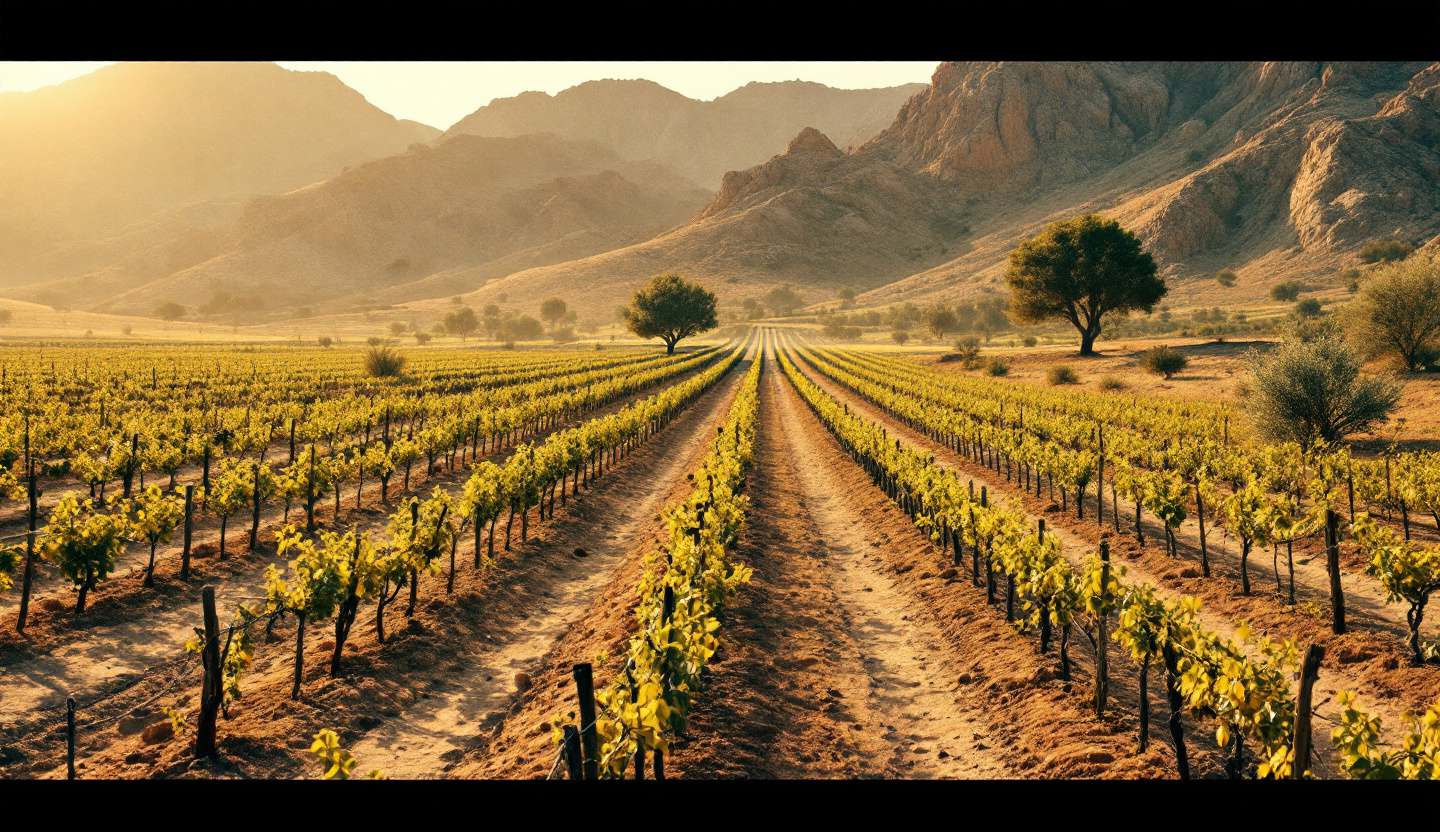
Monastic communities have been central to Cypriot winemaking for a very long time. During periods when commercial production contracted, monasteries maintained vineyards and cellars — and several are still making wine, now with modern equipment alongside the old traditions.
Why monasteries mattered
Wine was needed liturgically, and monasteries held land, labour and the continuity of institutional memory. That combination let them keep viticulture going through centuries of political change on the island.
They also preserved practices and, in some cases, grape material that might otherwise have been lost — which matters in a place whose indigenous varieties are its distinguishing asset.
Chrysoroyiatissa
The monastery above Panagia in the Paphos hills has a winemaking tradition documented to the early eighteenth century, when wine was made in clay jars in the monastery cellars.
Production today combines that heritage with modern technology, and the setting — high in the hills, with long views west — is among the most striking of any winery on the island.
Kykkos and the western Troodos
Kykkos, founded in the eleventh century, is the wealthiest and best known monastery in Cyprus. It began commercial wine production relatively recently, in the 1990s.
Further north, in the Solea valley, a smaller monastic winery works organically across a limited range including a traditional-method sparkling wine — an unusual thing to find in Cyprus.
Visiting respectfully
These are functioning religious communities first and wineries second. Dress modestly, observe posted restrictions on photography, and be aware that service times take precedence over visitors.
Check directly before travelling — access arrangements at monastic sites vary and are not always the same as at commercial wineries.
Wineries mentioned
Contact details and locations for each are on their page.