Zivania: The Village Spirit of Cyprus
Almost every wine region has a spirit made from what is left after pressing. In Cyprus it is zivania, and it sits close enough to the centre of village hospitality that you are likely to be offered a glass whether or not you asked for one. It is also the island's least understood drink: clear, strong, frequently mistaken for ouzo, and carrying a history that runs alongside the wine rather than behind it.
What it is
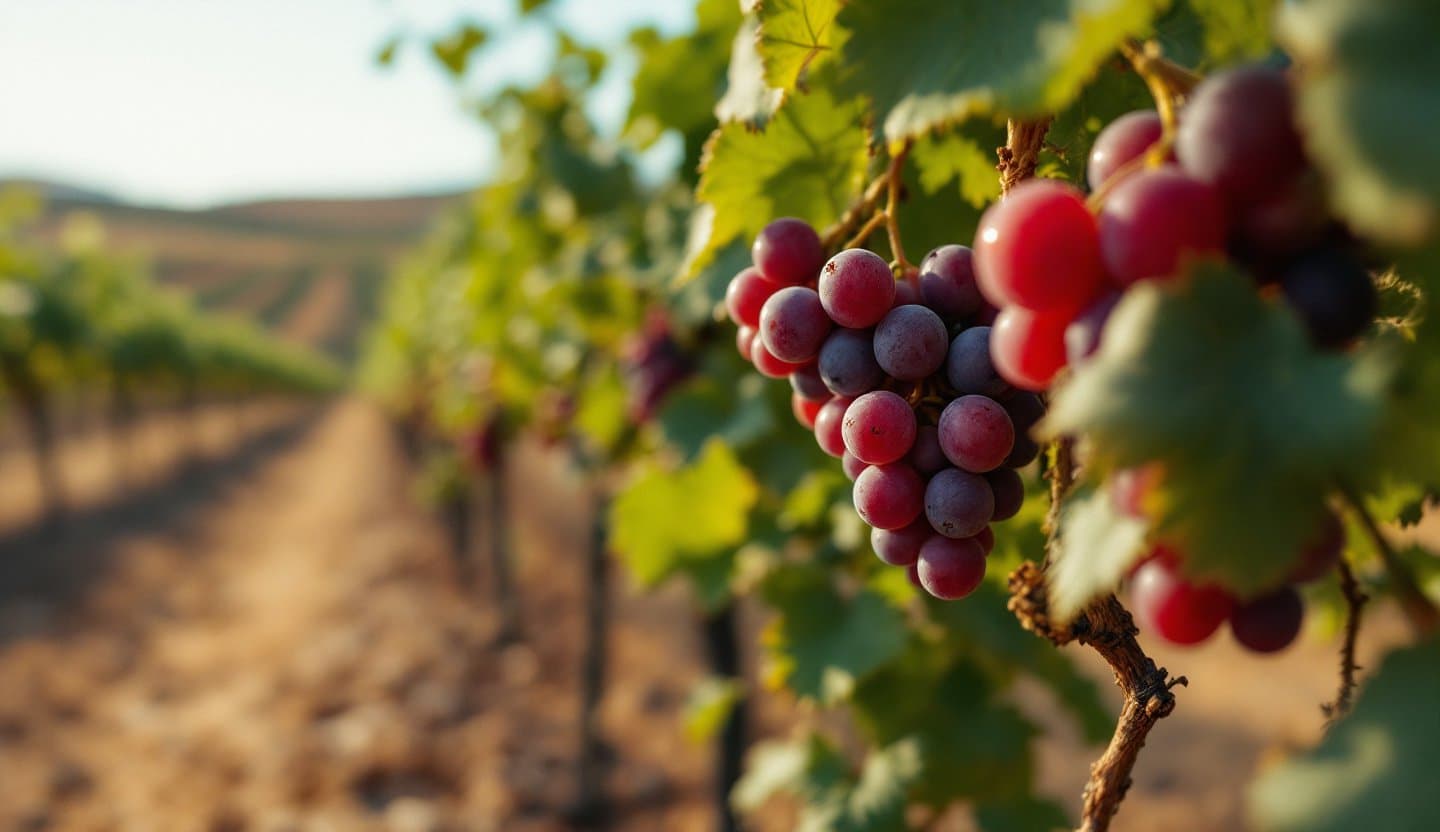
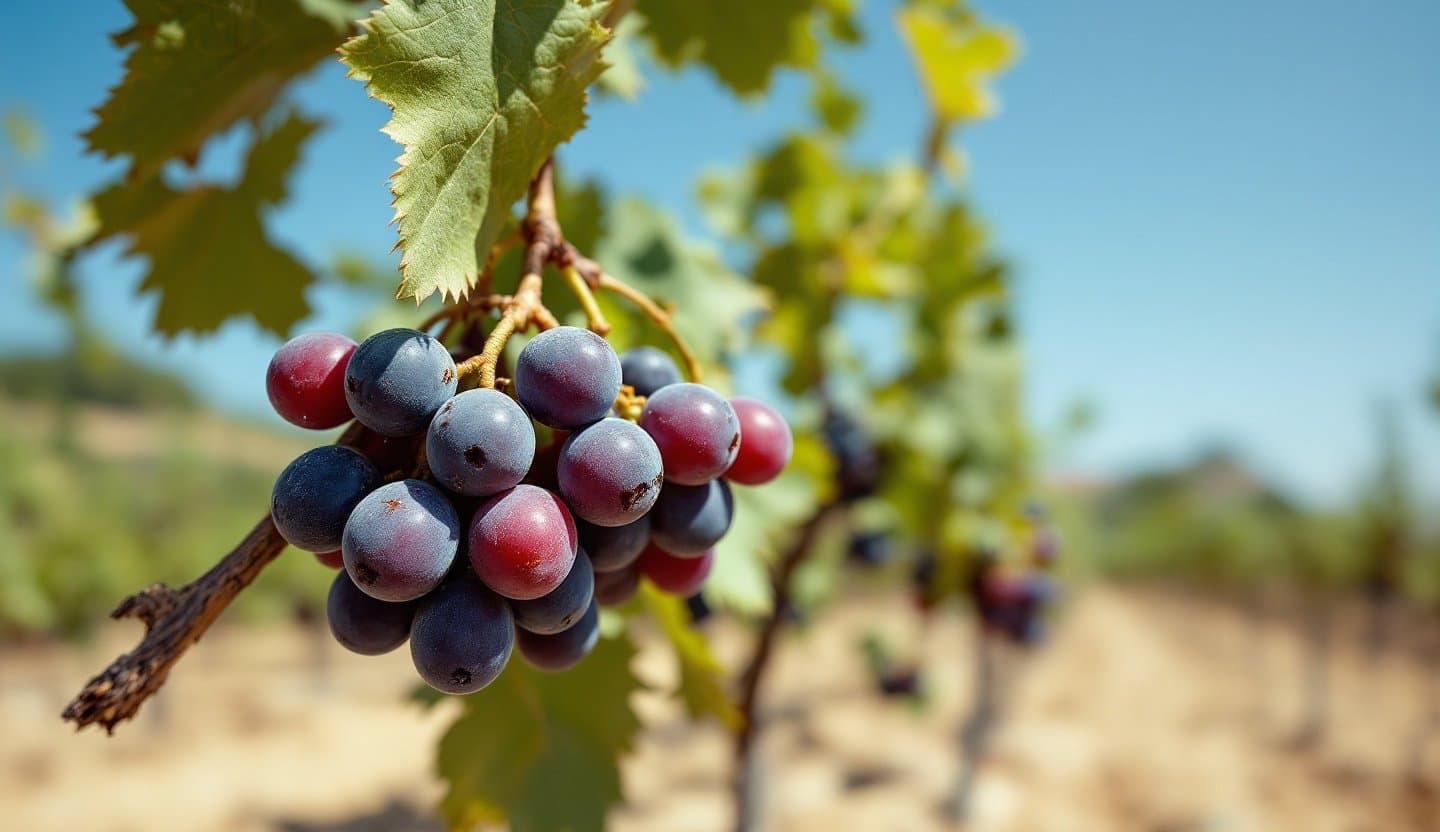
Zivania is a clear spirit distilled from grape pomace — the skins, pips and stalks left after pressing — combined with dry wine made from the island's two main indigenous grapes, Mavro and Xynisteri.
It is colourless, carries a faint aroma of raisins and contains no sugar. Bottlings are typically around 45% alcohol, and Cypriot law caps it at 60%.
Nothing is added. There is no sweetening, no colouring and no aromatic flavouring, which is the single most useful thing to know about it: everything in the glass came from grapes, and anything you taste beyond that came from the still or the barrel.
Where the name comes from
The name comes from the Cypriot Greek word for the pomace itself. The drink is named after its raw material, not its place or its maker, which tells you what it originally was — a way of getting something drinkable out of the part of the harvest that had already given up its wine.
Distilling in the wine villages is old, and for most of that history zivania was not a product at all. It was made in the autumn, at home, from what the press had finished with, and it circulated between households rather than through a market.
How it is made
Distillation happens in a kazani, the traditional copper still, and historically took place in the villages themselves after the harvest — a use for material that would otherwise have been waste.
The still is run in fractions, and this is the part that separates a rough village zivania from a carefully made commercial one. The first vapour off the still carries volatile compounds that are unpleasant and worse than unpleasant; the last of the run is dull and heavy. Only the middle is worth keeping, and the judgement of exactly where to start and stop collecting is the whole craft.
A producer who cuts generously into the heads and tails gets more volume and a harsher spirit. One who cuts narrowly gets less of something much cleaner. Two bottles of the same nominal strength from the same village can be entirely different drinks for this reason alone.
Protected since 2004
Zivania has been protected in the European Union as a product of Cyprus since 2004, which means a spirit made the same way elsewhere cannot be sold under the name.
The protection ties the name to the island rather than to a technique that anyone anywhere could copy — the same logic that protects Commandaria. A pomace spirit distilled in another country to an identical recipe is a pomace spirit; it is not zivania.
In practice this also fixes what the category is allowed to contain. The name carries a specification, so a bottle labelled zivania is making a claim about its raw material and its origin that it can be held to, which is more than most clear spirits offer.
Aged zivania
Some producers age zivania in wood, which softens it considerably and turns it into something you would sit with rather than punctuate a meal with. Time in barrel takes the edge off the spirit and brings colour and a rounder, sweeter-seeming character, though no sugar has been added.
If the clear village version is all you have tried, an aged one is a genuinely different drink, and closer in register to a young brandy than to what you were poured after dinner.
How it is drunk
Traditionally it is served cold and neat in small glasses, with something to eat alongside — nuts, dried fruit, a piece of cheese. It is less a sipping spirit in the brandy sense than a punctuation mark in a long meal.
It also has a life outside the table. Zivania has long been used in Cypriot households as a rub for aching joints, an antiseptic for small cuts, and a remedy for colds, usually warmed. Whether any of that works is beside the point: it explains why a bottle is kept in houses where nobody drinks much, and why offering it is a gesture of hospitality rather than an invitation to drink.
If you are offered a glass in a village, the quantity is not the point and refusing outright reads badly. Accepting and sipping is the expected shape of it.
How it compares to grappa, tsipouro and ouzo
The closest relatives are Italian grappa and Greek tsipouro and tsikoudia — all spirits distilled from pomace, all originating as a use for the press leftovers. Zivania differs in that dry wine goes into the still alongside the pomace, which is part of why it comes out cleaner and more neutral than a rustic grappa.
The comparison it most often gets is the wrong one. Zivania is not ouzo and not raki in the anise sense: nothing is added to flavour it, it does not taste of aniseed, and it does not turn cloudy with water. A visitor who orders it expecting ouzo is going to be surprised.
Where it is made today
Zivania is still made at village scale, but a number of established wineries produce it alongside their wine, and several of the producers on this site say so in their own descriptions — in the Troodos villages, in the Paphos hills and at the large Limassol houses that also make Commandaria.
The wineries below are the ones whose own published details mention zivania. Contact any of them directly to ask what they currently bottle and whether it can be tasted or bought at the winery; this site does not hold that information.
Related wineries
Contact details and locations for each are on their page.
More guides
The Krasochoria: Limassol's Wine Villages
The dense cluster of wine villages on the southern Troodos slopes holds more wineries than anywhere else in Cyprus. Here's how the region fits together.
Wine stylesCommandaria: The World's Oldest Named Wine
Still made in fourteen designated villages from sun-dried Mavro and Xynisteri, Commandaria has a documented history stretching back to the Crusades.
GrapesThe Indigenous Grapes of Cyprus
Xynisteri, Mavro, Maratheftiko and a handful of rare varieties being brought back from near-extinction — a guide to what actually grows on the island.