Organic and Low-Intervention Wineries in Cyprus
Cyprus is an easier place to farm grapes without chemicals than most of Europe, for reasons that have nothing to do with fashion. Whether that shows up in the bottle is a separate question, but the conditions are unusually favourable and a growing number of producers are working that way.
Why the island suits it
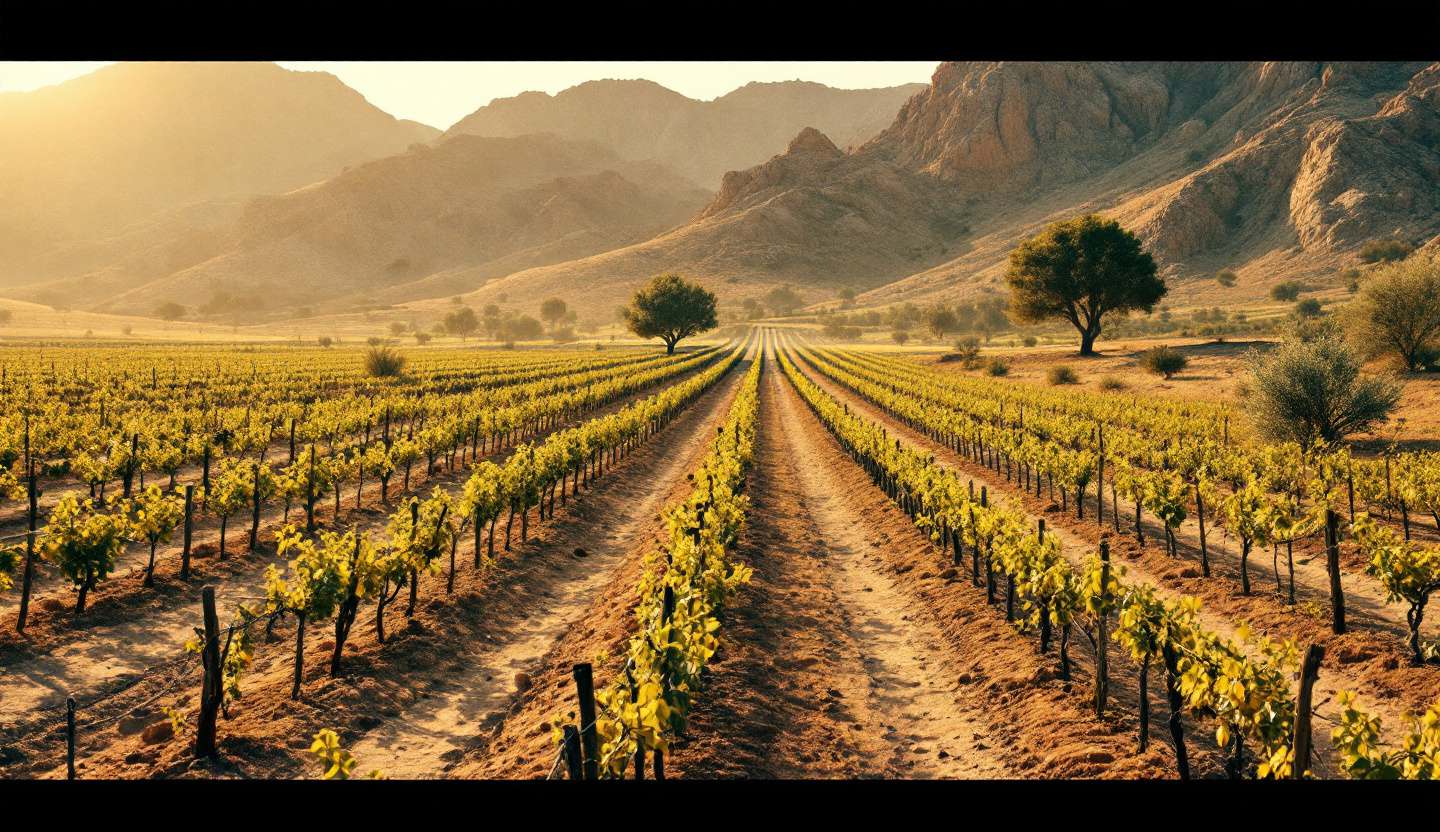
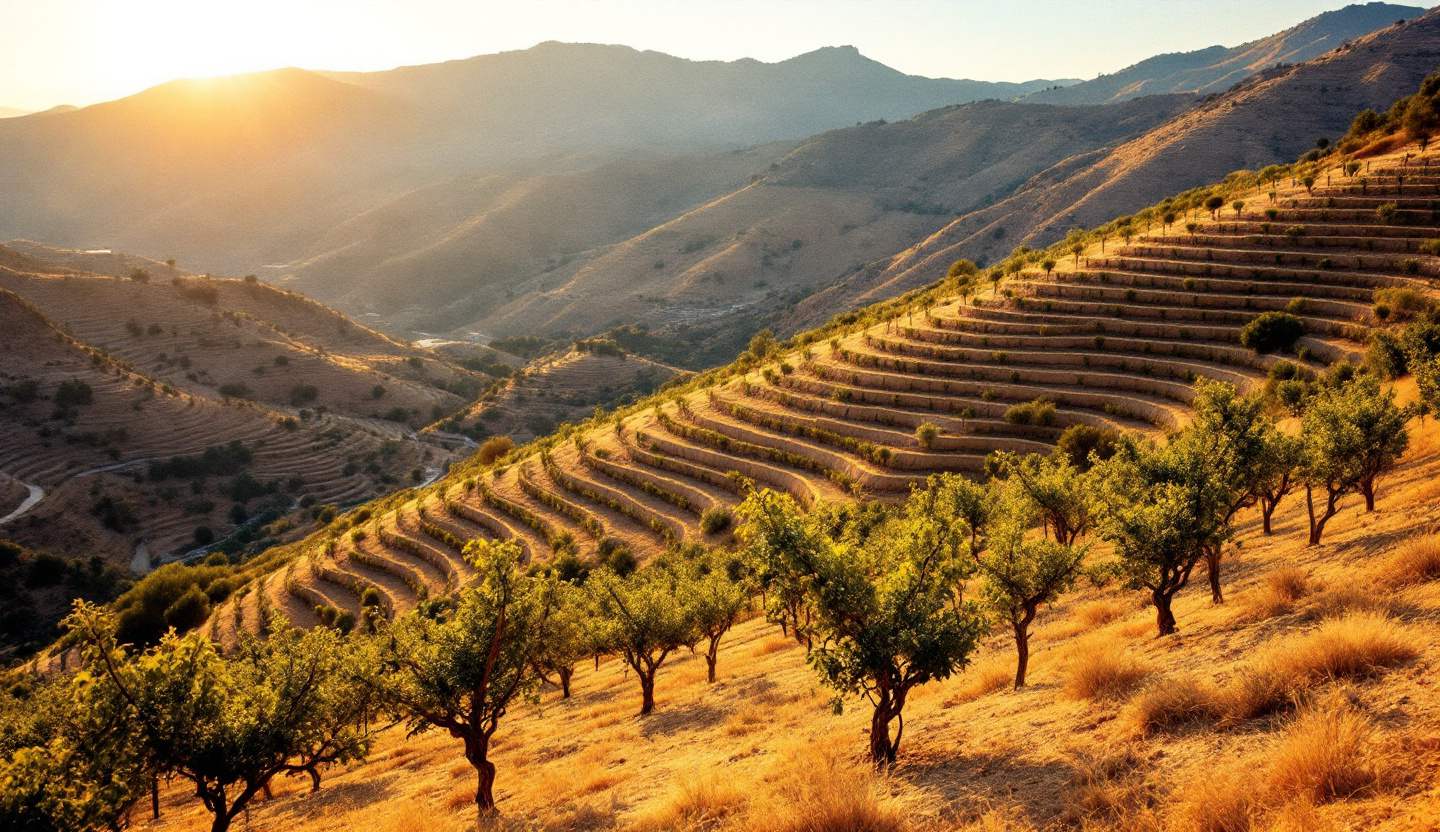
Fungal disease is what drives spraying in most vineyards, and it needs humidity. A Cypriot summer is long, hot and dry, so the pressure that forces repeated treatment in Bordeaux or the Rhine simply is not there in the same way. Altitude adds cool nights without adding damp.
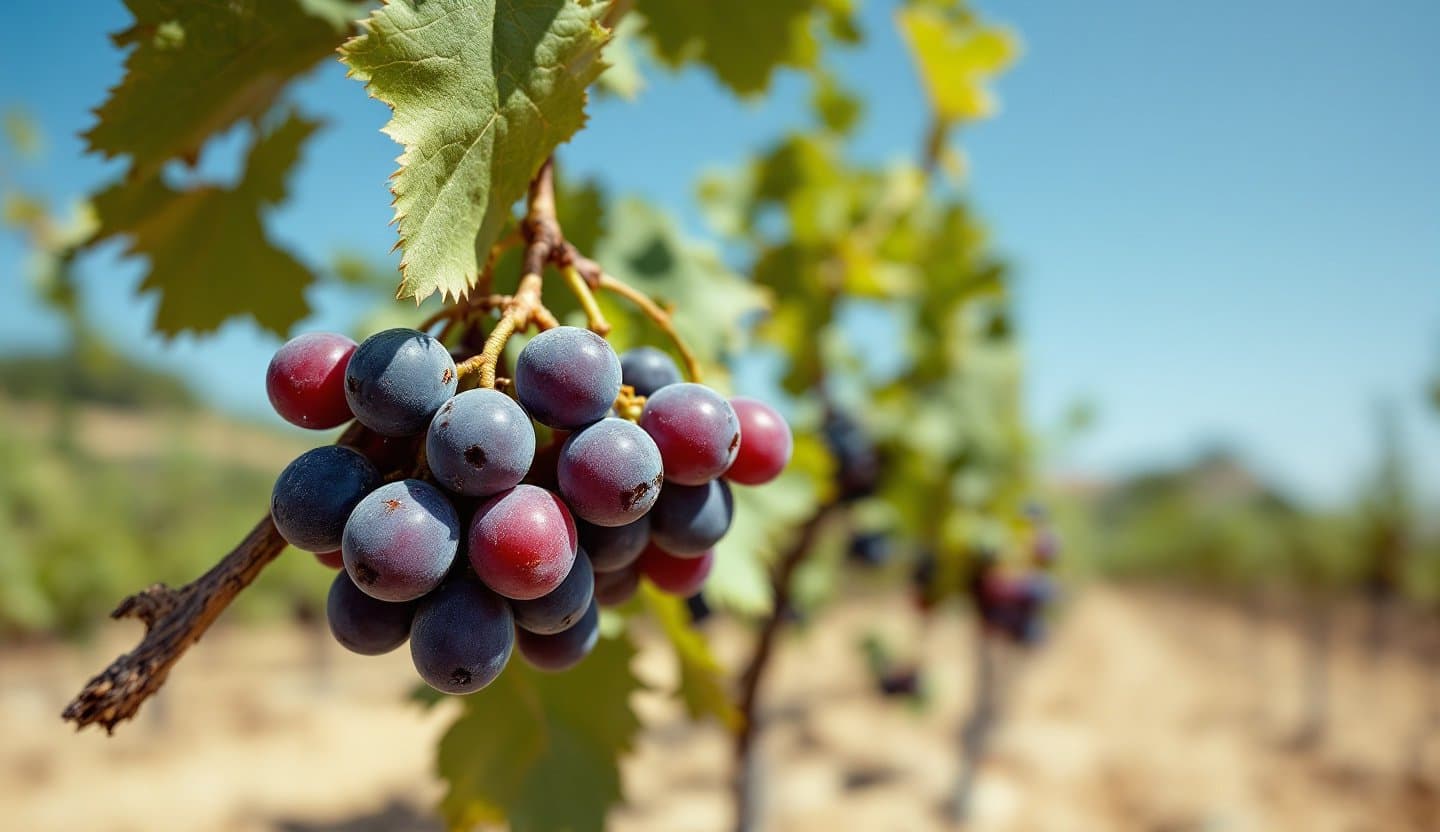
There is also the phylloxera story. The louse that destroyed Europe's vineyards in the nineteenth century never reached Cyprus, so vines here grow on their own roots rather than grafted onto American rootstock. That is not organic farming in itself, but it means old plantings survive that elsewhere were torn out and replaced.
Who works this way
Producers describing their work as organic include Tsangarides in the Paphos district, Zenon in the Troodos — eleven hectares farmed organically and run on solar power — Spilia Bio high in the mountains, the monastic winery at Agios Serafim in the Solea valley, Mystes at Pano Archimandrita, Dafermou above the Lefkara valley and I.M. Gaia at Agios Amvrosios.
Ekfraseis on the southern slopes of Madari, G. Theophanous above Pissouri and Rodothea in the Nicosia hills describe their viticulture as sustainable. Symeon, founded in 2023, works with minimal intervention in the cellar.
What the words mean, and what they do not
These are the wineries' own descriptions of their work, not certifications this directory has checked. That distinction matters, because only one of these words is a regulated scheme: EU organic certification is a formal, audited standard. Sustainable and minimal-intervention are not — they are honest descriptions of intent with no external body behind them.
None of that makes them empty. A producer who tells you they farm organically without certification is usually making a cost decision about paperwork, not a claim they cannot support. But it is worth knowing which word carries a certificate and which carries a promise.
Worth asking about
Certified or practising, and if practising, why not certified — the answer is usually interesting and often about the expense of auditing a very small holding.
Sulphur is the other question. Organic certification governs the vineyard far more tightly than the cellar, so an organically farmed wine can still be conventionally made. If low-sulphur winemaking is what you are looking for, ask about the cellar rather than the field.
Related wineries
Contact details and locations for each are on their page.
More guides
The Krasochoria: Limassol's Wine Villages
The dense cluster of wine villages on the southern Troodos slopes holds more wineries than anywhere else in Cyprus. Here's how the region fits together.
Wine stylesCommandaria: The World's Oldest Named Wine
Still made in fourteen designated villages from sun-dried Mavro and Xynisteri, Commandaria has a documented history stretching back to the Crusades.
GrapesThe Indigenous Grapes of Cyprus
Xynisteri, Mavro, Maratheftiko and a handful of rare varieties being brought back from near-extinction — a guide to what actually grows on the island.