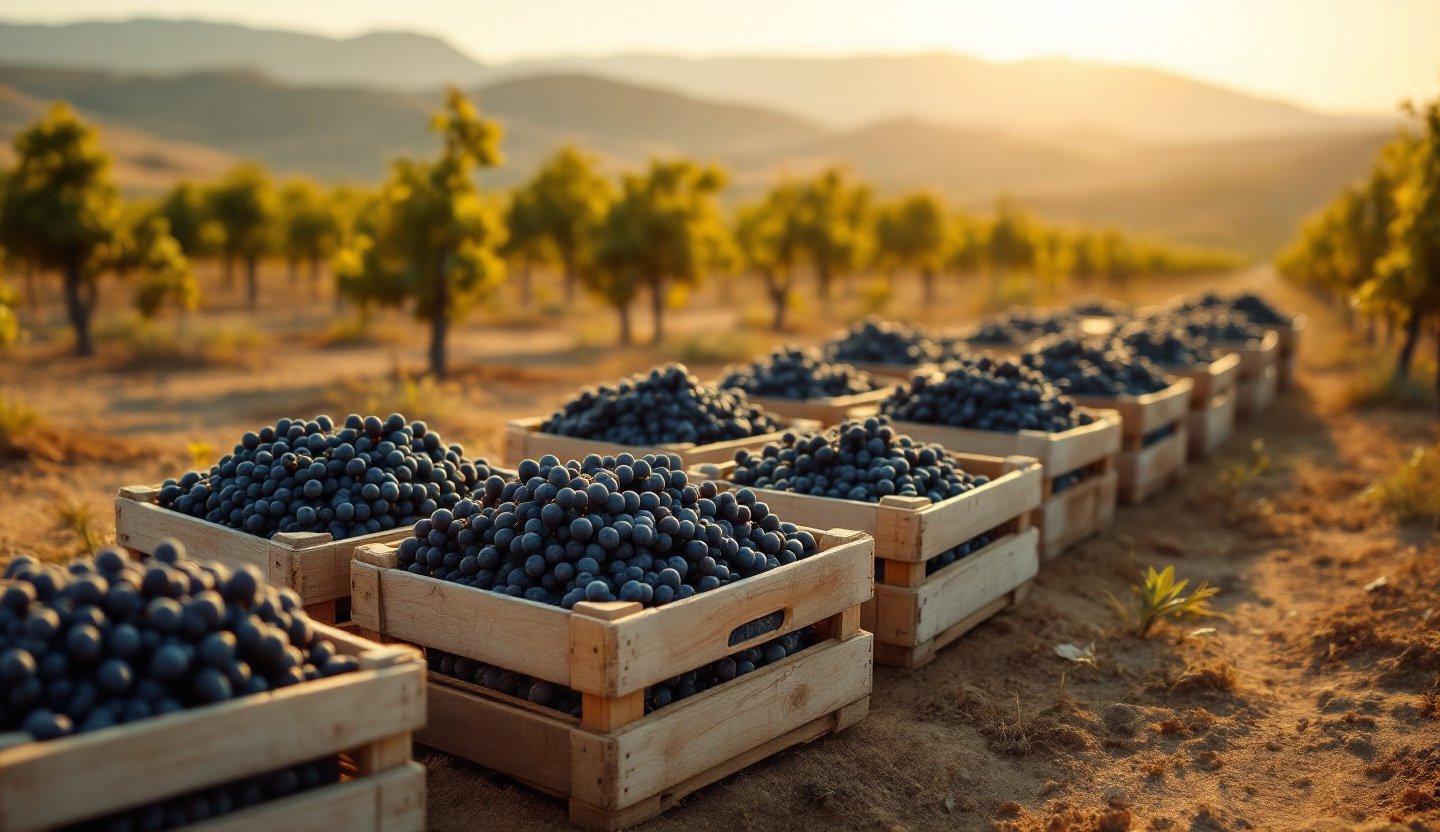
High-Altitude Wines of Pitsilia
Pitsilia occupies the eastern flank of the Troodos, and its vineyards climb higher than almost anywhere else in the Mediterranean — in places well beyond 1,000 metres. For a hot island at a southern latitude, that elevation is the single most valuable asset Cypriot wine has.
What altitude does
Every hundred metres of elevation drops the average temperature slightly and widens the gap between day and night. That diurnal swing is what lets grapes accumulate sugar and flavour while holding on to acidity.
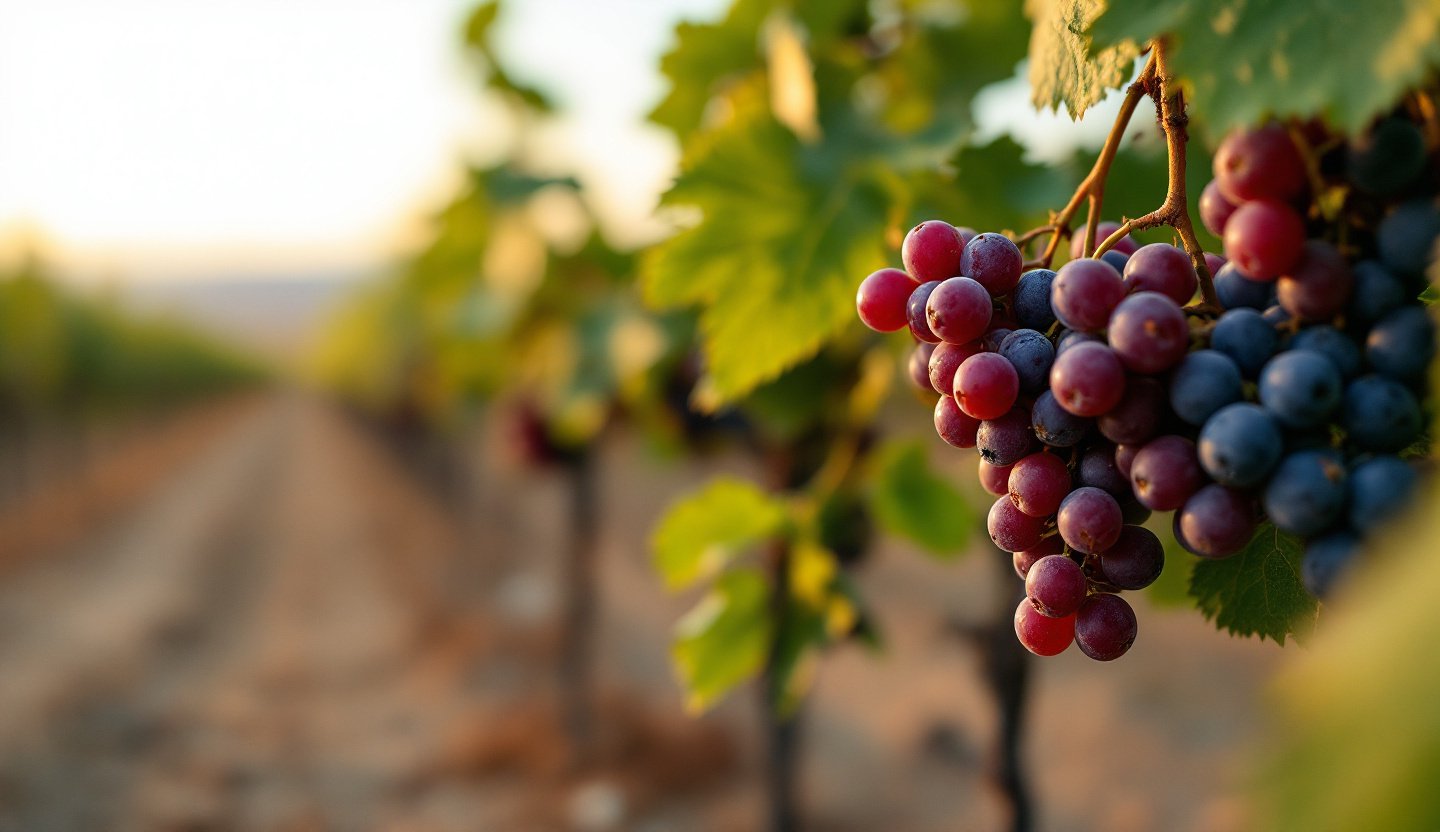
The practical result is white wines with tension and length rather than flabbiness, and reds that ripen without turning jammy. It is the reason serious Cypriot producers have moved uphill over the past three decades.
The villages
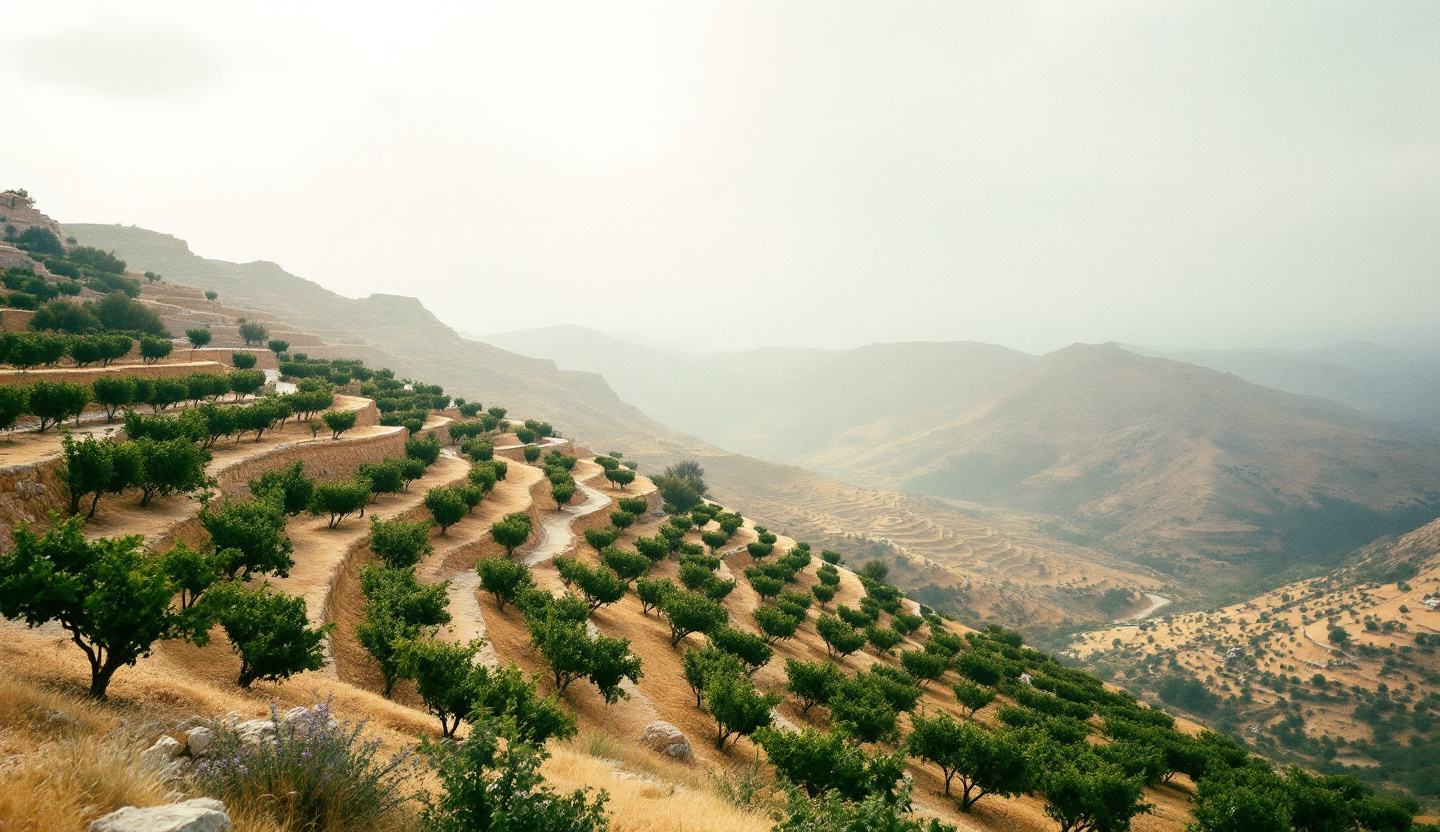
Kyperounda, Pelendri, Agros, Chandria and Agios Theodoros form the core. The landscape is terraced, with vines sharing the slopes with almond and apple orchards and, around Agros, the rose fields the area is known for.
Winters here are genuinely cold and snow is normal at the top of the range. That seasonality is unusual for Cyprus and gives the vines a proper dormancy.
The wines
Xynisteri from Pitsilia is the clearest argument for high-altitude Cyprus: taut, citrus-driven and mineral in a way that lower-lying examples rarely manage.
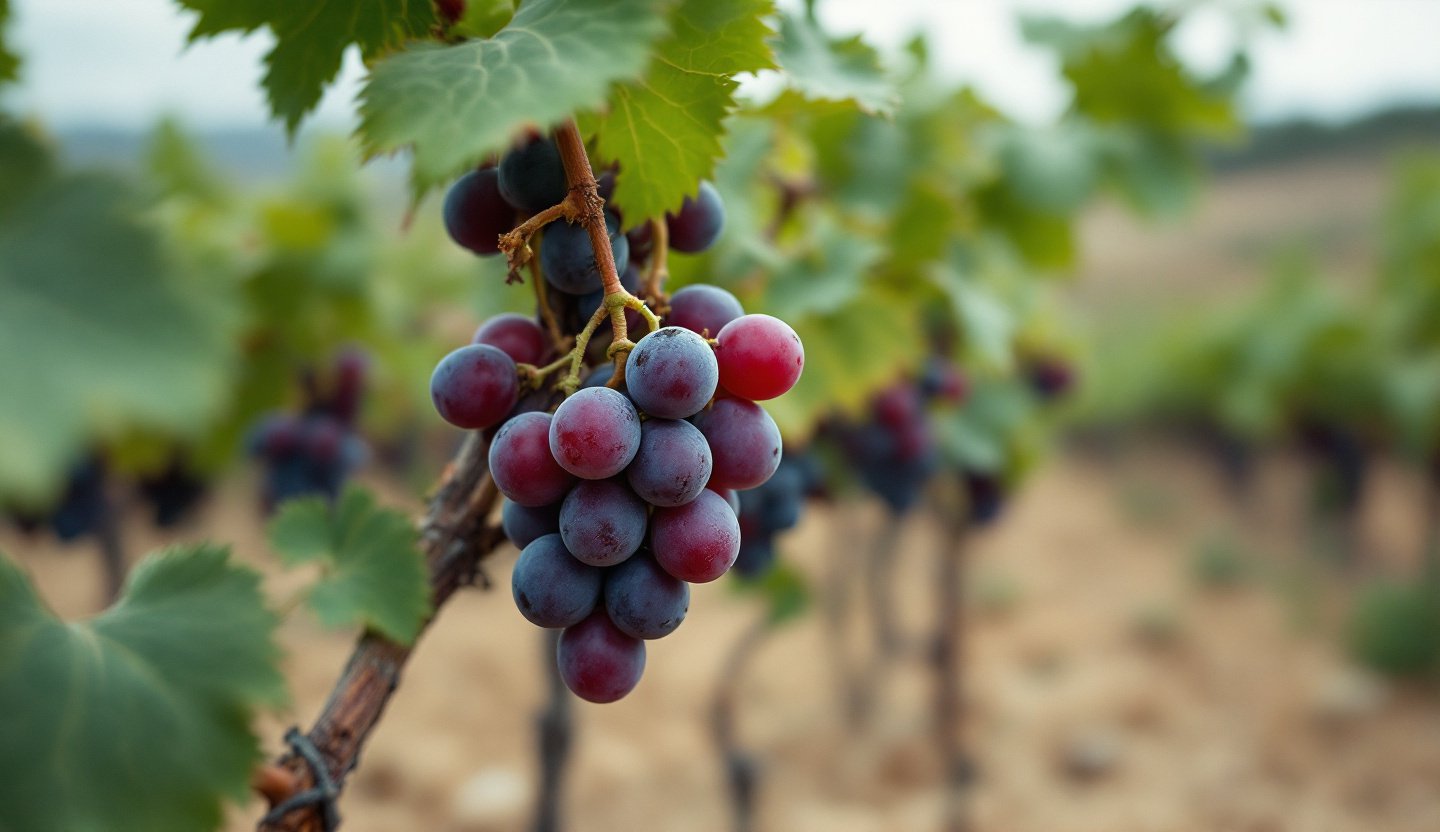
Among reds, both indigenous Maratheftiko and international varieties like Cabernet Sauvignon and Syrah are grown, generally producing wines with firmer structure and fresher aromatics than warmer sites give.
Getting there
Pitsilia is a mountain drive whichever direction you approach from, whether up from Limassol or across from Nicosia. Roads are good but slow, and in winter conditions can change quickly at elevation.
Producers here are mostly small, several making only a few thousand bottles a year, so contacting them ahead is essential rather than optional.
Wineries mentioned
Contact details and locations for each are on their page.